
Safety and security matter to every business, and a CCTV camera can do more than just record visuals. Thermal technology reveals heat patterns that the human eye cannot see. As a result, teams can spot issues sooner in dark or low-visibility areas such as entrances, plant rooms, yards, and perimeter fences.
This guide explains how a thermal CCTV camera turns heat into usable temperature data so teams can identify risks early. When readings stay accurate, managers can make safer decisions with more confidence. Modern systems also make it easier to select and run the right equipment without added complexity.
How Thermal Cameras Capture Heat
A thermal CCTV camera detects heat instead of visible light. Below explains how it captures heat, reads images, and is set up for accurate monitoring.
Infrared Wavelengths and Lenses
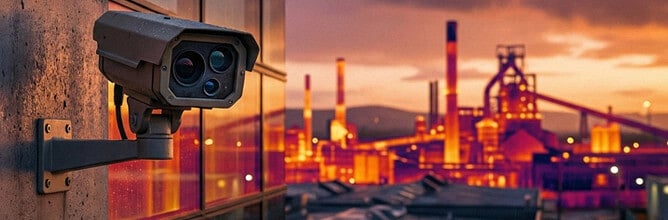
Infrared sensors detect heat patterns even in smoke, fog, or darkness. Special lenses improve image clarity.
Sensors often use long-wave infrared for better heat detection.
Lenses made of germanium, sometimes with coatings, produce sharp images.
Calibration systems adjust for temperature changes and sensor drift to keep readings accurate.
Reading Thermal Images
Thermal cameras convert heat data into images that are easy to understand. Settings allow comparison of different surfaces.
Colour palettes like iron, rainbow, or greyscale show temperature differences visually.
Emissivity settings adjust for how surfaces emit heat, such as metal versus skin.
Proper configuration provides clear heat maps and precise temperature measurements.
Camera Setup
Correct placement and settings ensure accurate thermal readings across monitored areas.
Adjust the camera angle to cover the full area of interest.
Set detection range according to distance to objects.
Regular calibration keeps temperature readings consistent over time.
Benefits of Accurate Temperature Detection
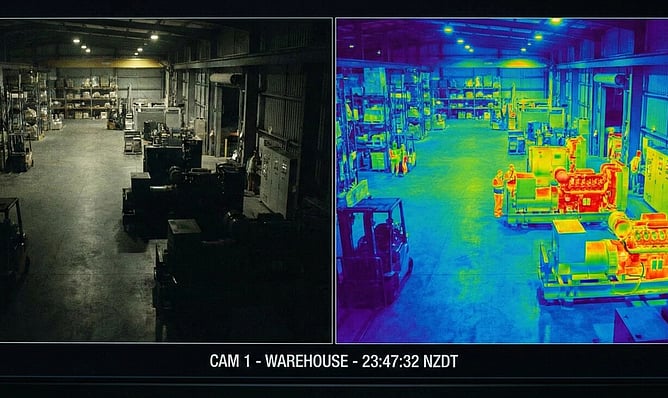
Monitoring temperature correctly helps keep people and property safe and operations running smoothly. Thermal CCTV cameras detect heat problems early, preventing accidents and equipment damage.
Enhanced Safety: Abnormal heat is spotted before it causes danger. Alerts help prevent fires and accidents.
Property Protection: Equipment and buildings are monitored for temperature changes. Early warnings prevent damage.
Operational Efficiency: Heat problems in machinery are detected early. Maintenance can be done before breakdowns occur.
Non-Intrusive Monitoring: Cameras operate without light or physical contact with equipment. Monitoring is possible in darkness, smoke, or bad weather.
Improved Response Times: The benefits of industrial temperature monitoring cameras help detect heat problems early. Quick staff response can prevent small issues from turning serious.
Differences Between Thermal and Standard Cameras
Thermal CCTV vs standard camera in low light works differently. The table below compares their strengths, weaknesses, and costs.
Feature | Standard CCTV | Thermal CCTV |
|---|---|---|
Light Dependency | Requires visible light to capture clear images | Detects heat, works in total darkness |
Environmental Conditions | Performance drops in smoke, fog, or poor lighting | Reliable in smoke, dust, and challenging weather |
Security Insights | Detects physical presence only | Detects presence via heat, useful for hidden intrusions |
Monitoring Hazards | Cannot detect overheating or hot spots | Identifies abnormal temperature patterns early |
Cost | Generally lower upfront | Higher initial investment, lower long-term risk costs |
Common Applications in Industries
Thermal CCTV cameras are used in many industries to monitor heat, detect risks early, and improve safety. Different sectors use this technology in ways that fit their specific needs.
Healthcare
Hospitals and clinics use thermal cameras to support safety without disrupting patient care. Heat monitoring helps staff notice issues early while daily operations continue as normal. The system works quietly in the background and reduces the need for constant manual checks.
Thermal cameras are often used at entrances, wards, and technical rooms. They support hygiene and safety by providing quick visual checks without contact.
Check fever trends at entrances and wards
Monitor oxygen storage, medicine rooms, and server rooms
Reduce manual checks and support infection control
Manufacturing and Logistics
Factories and warehouses use thermal cameras to protect machines, stock, and staff. Heat detection helps identify problems before equipment fails or work is delayed. This improves safety and keeps operations running smoothly.
Thermal CCTV also supports security in yards and loading areas. Heat detection works well at night and in poor lighting.
Detect heat in motors, kilns, and cold storage
Plan maintenance before faults occur
Spot unauthorised access at night
Energy, Utilities, and Infrastructure
Energy and utility sites often cover large or remote areas. Commercial thermal security camera systems in NZ allow teams to monitor equipment without being on site all the time. This reduces risk and improves response times.
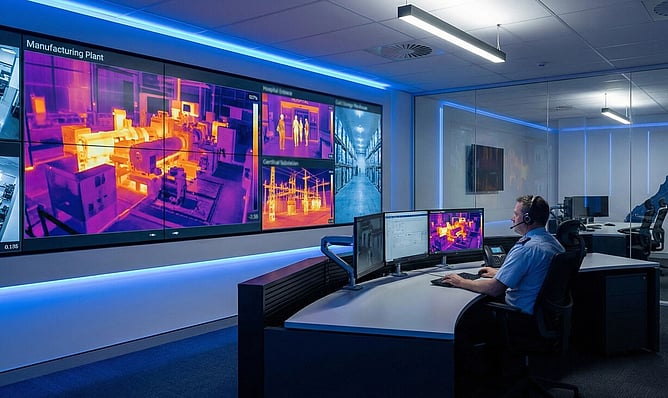
Thermal monitoring also helps detect overheating and system faults early. Operators can supervise several locations from one control room.
Monitor substations, pipelines, and solar panels
Receive alerts from remote sites
Supervise multiple assets from one location
Selecting the Right Thermal CCTV System
Choosing the right thermal CCTV camera is important for accurate monitoring and safety. A good camera can detect heat problems early and help teams respond quickly.
1. Image Quality
Clear thermal images help staff spot small heat differences and unusual patterns. Better clarity also helps with verification, especially when teams need to act quickly.
Sensors capture detailed thermal scenes
Images show normal vs abnormal heat more clearly
Large or busy areas become easier to monitor
2. Detection Range
Range must match the site layout. If the range is too short, teams get blind spots. If the range is too long for the task, it can waste the budget and reduce practical value.
Long-range models suit large outdoor areas
Short-range models suit indoor spaces and tighter zones
The correct range can reduce the number of cameras required
3. Integration Capabilities
Thermal cameras deliver more value when they connect to existing security tools. A unified platform helps staff handle alerts, video, and data in one place.
Combine alerts, video, and temperature data in one interface
Support faster response during heat events
Reduce friction for daily monitoring
4. Environmental Durability
Some sites expose cameras to dust, moisture, vibration, and temperature swings. Durable construction helps prevent faults and keeps performance steady.
Protection against dust and moisture for outdoor and industrial sites
Strong housing to handle knocks and vibration
More reliable operation over time
5. Software Features
Software can improve detection and reduce manual work. Useful features include heat alarms, tracking, reporting, and trend monitoring.
Automated alerts for unusual heat
Heat mapping and smart detection tools
Reports that show recurring issues and long-term patterns
6. Budget
Budget planning is important when choosing a thermal CCTV camera. Considering both upfront costs and ongoing expenses helps ensure reliable and cost-effective security.
Initial Costs
Upfront costs depend on the camera's features and quality. Better cameras give clearer images and stronger construction. Investing wisely can prevent future problems.
High-quality cameras give accurate monitoring.
Durable build reduces replacements.
Extra features improve safety.
Ongoing Expenses
Maintenance, repairs, and integration add to the total cost. Different models need different levels of care. Planning for these costs keeps the system reliable.
Include servicing and repairs.
Consider integration with other systems.
Ensures consistent monitoring.
Balanced Planning
Balancing initial and ongoing costs is important. Proper planning avoids overspending while keeping security strong. Smart budgeting gives long-term protection.
Compare cost and features.
Plan for maintenance over time.
Keep monitoring effectively without extra cost.
Integrating with Existing Security Networks
Thermal CCTV systems add strong value when linked with current security tools. Careful planning ensures each CCTV camera works smoothly within the wider network.
Network Design and Preparation
Early planning helps thermal CCTV cameras fit into existing security systems without disruption. Extra data from thermal video requires enough bandwidth to avoid delays. Stable power and secure network settings support reliable performance across the site.
Network reviews should confirm that switches and cabling can handle higher data loads. Some CCTV camera models run well on Power over Ethernet, while others need separate power. Clear planning at this stage reduces faults and improves long-term reliability.
System Integration and Alerts
Thermal CCTV cameras perform better when connected to existing security software. Combined data from alarms, access control, and motion detection gives staff clearer alerts. Faster verification supports quicker and more accurate responses.
Smart system links reduce unnecessary callouts caused by animals or movement. Heat detection paired with visual footage helps confirm real risks. Better alert accuracy improves trust in the security system.
Daily Use and Staff Awareness
Clear instructions help staff use thermal and standard CCTV camera views together. Side-by-side displays allow quick checks before action is taken. Simple processes support confident decision-making.
Check network bandwidth before adding thermal CCTV cameras
Use secure connections to protect camera data
Select suitable power options for each CCTV camera
Link thermal systems with alarms and access controls
Display thermal and standard CCTV feeds together
Train staff on correct system use and response steps
Proper integration strengthens security networks and improves safety. Faster detection and clearer information help protect people and property every day.
Maintenance and Performance Tips
Proper maintenance is essential to keep a CCTV camera working accurately. Regular care prevents errors and ensures the system remains reliable and efficient.
Routine Calibration: Calibrate cameras regularly to ensure temperature measurements remain accurate. Accurate readings help ensure safety and efficient operations.
Sensor Cleaning: Dust and dirt on lenses can reduce performance. Careful cleaning keeps images clear and temperature readings accurate.
Firmware Updates: Keeping software up to date adds new features and security fixes. Regular updates help the system work better and stay reliable.
Regular Testing: Testing under different conditions verifies consistent performance. Periodic tests help identify faults or calibration issues early, maintaining reliability over time.
Professional Servicing: Have certified technicians inspect the system at set intervals. Professional servicing identifies hidden problems and keeps equipment functioning accurately.
Future of Thermal CCTV Technology
Thermal CCTV is improving with new technology. A CCTV camera with thermal detection helps spot heat issues quickly and improves safety.
AI-Powered Analytics: AI can spot unusual heat patterns automatically. Faster alerts help prevent accidents.
Predictive Maintenance: Systems can predict equipment problems from temperature trends. Early warnings reduce downtime and costs.
Smart Integration: Thermal cameras can connect with IoT and building systems. Real-time monitoring improves safety and efficiency.
Enhanced Image Resolution: New sensors give clearer thermal images. Smaller or distant heat sources are easier to detect.
Cost Reduction: Technology is becoming more affordable for businesses. More companies can now use thermal monitoring for safety and operations.
Enhancing Safety Through Smart Surveillance
Modern CCTV systems use temperature detection to spot risks early. Thermal cameras work in the dark, light smoke, and large outdoor spaces. Correct setup and regular checks help keep the system accurate and reliable.
Using thermal cameras with standard CCTV gives a clearer view of what is happening. Proper settings and trained staff reduce false alarms and improve safety. IQ Security provides installation, system setup, and training to help protect people and property.